
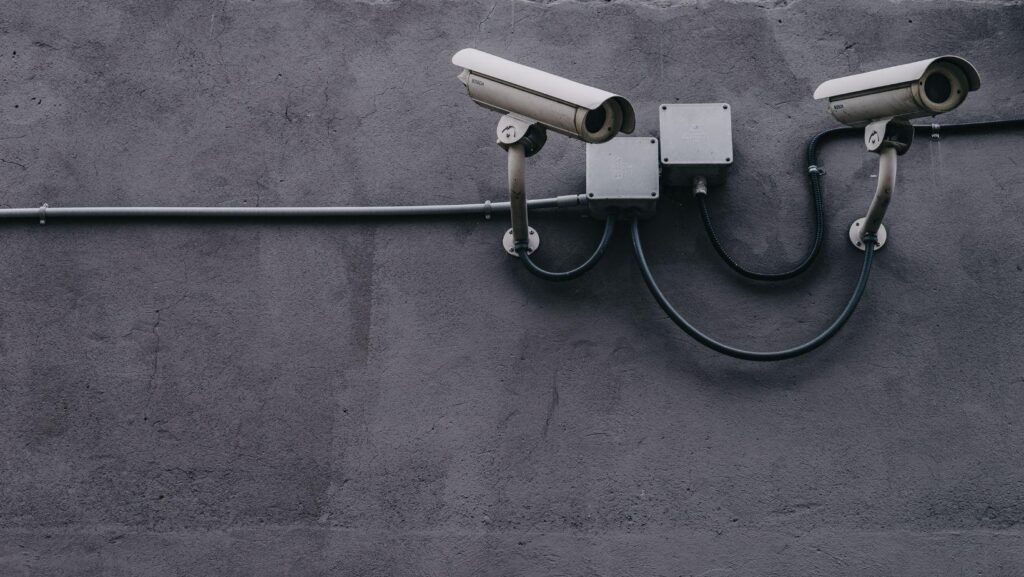
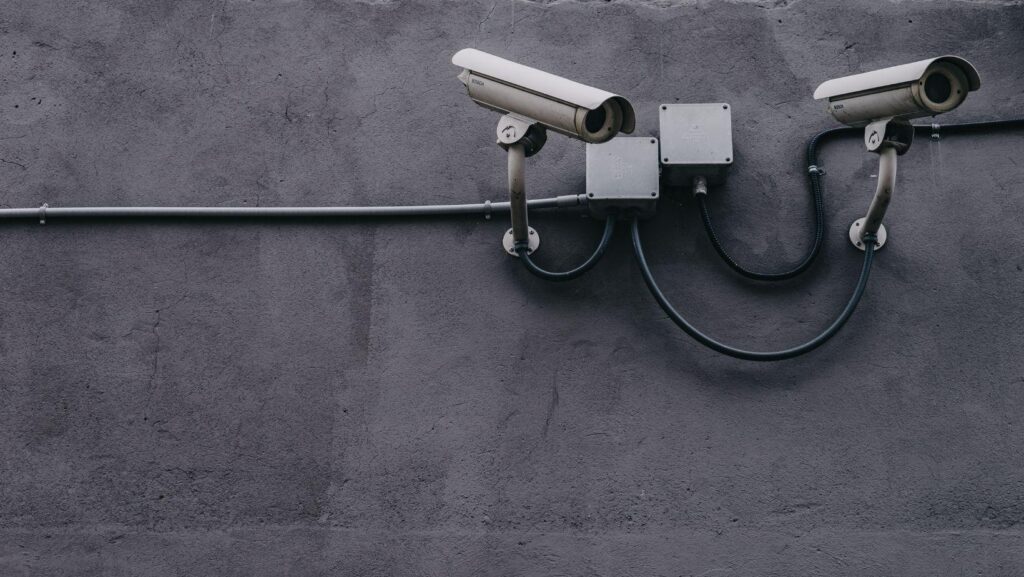
Modern workplaces run on information—product roadmaps, pricing models, legal strategy, customer data, investor conversations. Yet many organisations still treat “surveillance” as something that happens in spy films, not in meeting rooms, vehicles, home offices, or even inside a laptop bag.
That assumption is getting expensive.
Surveillance isn’t only about someone tapping a phone line. Today it can look like a compromised smart speaker in a conference room, an “innocent” USB charging cable with a covert implant, or a disgruntled insider quietly recording sensitive conversations. And because the tools are cheaper and easier to use than ever, the barrier to entry has dropped. What used to require expertise now often requires only intent and a shopping cart.
The real cost isn’t limited to the immediate leak. It’s the ripple effect: competitive disadvantage, regulatory exposure, damaged negotiating positions, and long-term erosion of trust inside a company.
Surveillance risks have changed—your assumptions may be outdated
The attack surface is bigger than the office
Ten years ago, a company could focus most of its security effort on physical premises and a central network. Now work happens everywhere: hybrid schedules, shared co-working spaces, supplier sites, hotels, cars, and home offices. Each location adds variables you don’t control—unknown Wi‑Fi networks, thin walls, smart devices, and casual access.
Even in well-managed offices, “convenience tech” quietly increases exposure:
None of these are inherently unsafe. The issue is that many organisations deploy them without a clear threat model. Who would want to listen in? What would they gain? How easily could they do it?
The motives are broader than corporate espionage
Competitors are one risk, but they’re not the only one. Surveillance concerns also show up in:
If you operate in regulated sectors—finance, healthcare, legal, defence supply chains—the consequences of compromised conversations and data can multiply quickly.
The hidden price tag of “we’ll deal with it if it happens”
1) Negotiation damage is often invisible until it’s too late
The most painful losses are the ones you can’t prove. Imagine you’re negotiating a partnership and the other side keeps anticipating your concessions. Or a competitor releases a feature suspiciously close to your roadmap weeks before your launch. You might chalk it up to “market dynamics,” when in reality your assumptions were being monitored.
In negotiations, information asymmetry is leverage. If you lose control of internal deliberations—fallback positions, internal disagreements, budget ceilings—you can overpay, concede too early, or walk away from deals you should have won.
2) Regulatory and legal exposure escalates quickly
A single recorded conversation can trigger a chain reaction: privacy complaints, internal investigations, disclosure obligations, or litigation. Even if you’re the victim, regulators may still ask what safeguards you had in place. “We didn’t think it could happen” isn’t a satisfying answer when sensitive data is involved.
The legal dimension is also messy because surveillance overlaps with workplace monitoring rules, consent requirements, and evidentiary standards. Organisations sometimes discover too late that their response—how they searched for devices, how they handled recordings, how they documented findings—created additional liability.
3) Incident response becomes harder when you lack a baseline
When something feels “off,” teams often start by hunting for a single culprit: one device, one person, one compromised room. But surveillance is frequently multi-layered. Without a baseline understanding of what “normal” looks like—network behaviour, physical access patterns, device inventory—you’re forced into guesswork.
This is where independent, specialist assessment can matter. For example, bringing in expert technical surveillance countermeasure services is not about paranoia; it’s about establishing clarity when the stakes are high and the environment is complex. In the same way you wouldn’t rely on “quick fixes” for a serious cyber incident, you don’t want an ad-hoc approach to potential eavesdropping.
Where surveillance blind spots usually hide
Meeting spaces: the “trusted” rooms that aren’t always secure
Conference rooms tend to accumulate technology over time—cameras, microphones, room booking panels, wireless conferencing hubs. They’re also shared, cleaned, and visited by guests. Small changes can go unnoticed: a new adapter behind a TV, an unfamiliar charging brick, a swapped cable.
If your organisation discusses strategy, pricing, personnel matters, or legal issues in these rooms, treat them as high-value assets, not generic spaces.
Executive travel and vehicles
Airports, hotels, and rideshare situations create predictable opportunities. People take sensitive calls in transit because it feels efficient. Meanwhile, shoulder-surfing, proximity devices, and “helpful” public charging points can turn that convenience into exposure.
Home offices and co-working spaces
Hybrid work is here to stay. That means your risk model must include environments you don’t control. A home office can be perfectly safe—or it can be full of consumer smart devices with unclear configurations, thin walls, and informal visitor access.
Practical ways to reduce surveillance risk without creating chaos
Set clear rules for “high-sensitivity” conversations
Not every discussion needs special handling. The goal is to identify the small number of topics that can materially harm the business if exposed—then apply consistent safeguards.
A simple framework helps:
Build a culture of noticing
Many surveillance successes rely on inattention. Encourage teams—especially those who host external visitors—to notice anomalies: new devices, unfamiliar cables, unexplained “connectivity issues,” or someone insisting on meeting in a particular room repeatedly.
Keep it practical and non-alarmist. The aim is awareness, not suspicion.
Combine cyber hygiene with physical awareness
Surveillance is often hybrid: a physical device that exfiltrates digitally, or a digital compromise that enables microphone access.
Coordinate your IT and facilities/security teams on:
The bottom line: treat surveillance as a business risk, not a thriller plot
Ignoring surveillance concerns doesn’t just risk embarrassment. It can distort negotiations, weaken competitive advantage, and create legal consequences that outlive the initial incident by years. The organisations that handle this well aren’t the most fearful—they’re the most disciplined. They decide what’s sensitive, control the environments where it’s discussed, and investigate anomalies with the right level of expertise.
If you haven’t revisited your assumptions since the shift to hybrid work and smart-office tech, now is a good time. The cost of prevention is usually measurable. The cost of being wrong often isn’t—until you’re already paying it.