
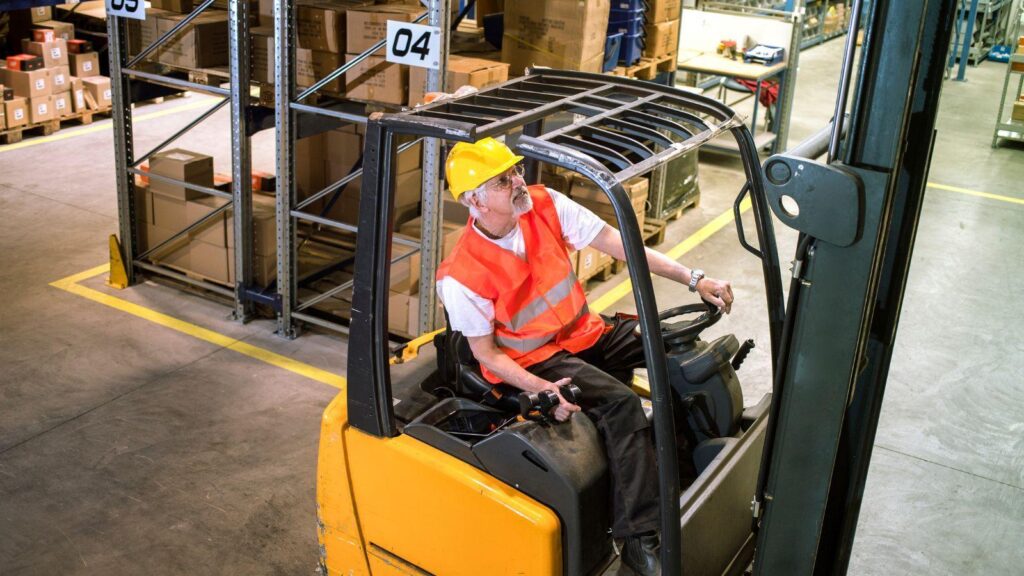
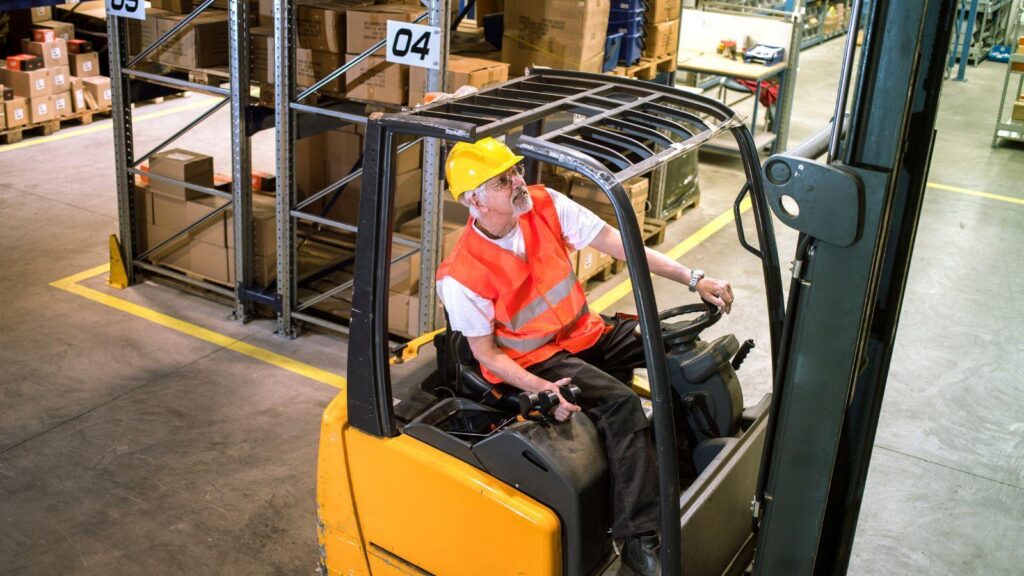
Forklifts rarely get much attention when everything is running smoothly. They move pallets, feed production lines, load vehicles, and keep warehouses flowing without much fuss. But that quiet reliability is exactly why servicing matters. When a forklift fails, the impact is rarely limited to one machine. It can stall deliveries, delay orders, disrupt shift schedules, and create avoidable safety risks in a matter of minutes.
That is true in almost every sector that handles materials. Warehousing, manufacturing, construction, food distribution, retail, and ports all depend on lifting equipment to keep goods moving. The pace may differ from one environment to another, but the operational logic is the same: if your trucks are not dependable, your wider process is more fragile than it looks.
Servicing Is About More Than Preventing Breakdowns
Many businesses still think of forklift servicing as something you schedule to avoid a major mechanical failure. That is part of the picture, but only part. Regular servicing is really about protecting the system around the truck: your people, your deadlines, your compliance position, and your margins.
Safety and Compliance Come First
Forklifts operate in busy, high-risk environments. Pedestrians, racking, loading bays, narrow aisles, uneven yard surfaces, and heavy loads all increase the margin for error. A worn tyre, weak brake response, hydraulic issue, or steering fault can turn a manageable task into a serious incident.
In the UK, that concern is reinforced by legal obligations under workplace equipment and lifting regulations. Businesses are expected to maintain equipment in a safe condition and ensure it remains fit for use. Servicing helps identify wear before it becomes dangerous, while also creating a documented trail that supports audits, inspections, and internal accountability.
Downtime Has a Habit of Spreading
The real cost of a missed service often shows up elsewhere. A truck taken out of action can cause missed loading slots, labour bottlenecks, overtime costs, and idle staff waiting for access to stock. In a manufacturing site, one unavailable forklift can interrupt raw material supply to a line. In a warehouse, it can slow picking and put outbound targets at risk.
This is why mature operations tend to treat servicing as part of production planning rather than an afterthought. Scheduled maintenance is easier to manage than emergency repairs, especially when you can align it with quieter shifts or existing fleet rotation. For businesses reviewing their options for dependable maintenance services for lifting equipment, the key consideration is not simply repair capability, but how maintenance supports continuity across the whole site.
Why the Need Looks Different From Industry to Industry
Forklift servicing is essential everywhere, but the reasons can vary depending on the operating environment.
Warehousing and Logistics: Throughput Depends on Reliability
In warehousing, forklifts are part of the heartbeat of the building. Trucks are expected to perform continuously, often across long shifts and tight turnaround times. Even small issues, such as mast irregularities or battery performance dips, can reduce handling speed and create congestion in key areas.
Peak periods make the problem worse. During seasonal surges, there is little slack in the system. A machine that might limp through a normal week can become a serious liability when demand spikes.
Manufacturing: Small Delays Create Bigger Production Problems
Manufacturing sites rely on consistent material movement. Forklifts supply components, remove finished goods, and support line-side operations. If servicing is neglected, the problem is not just vehicle downtime; it can trigger stoppages further down the chain.
That is especially true in lean environments, where stock buffers are low by design. When there is little room for delay, equipment reliability becomes a production issue rather than just a maintenance concern.
Construction, Timber, and Builders’ Merchants: Conditions Accelerate Wear
Some sectors place forklifts under harsher physical strain. Outdoor yards, uneven surfaces, weather exposure, dust, and heavier loads all speed up wear on tyres, hydraulics, filters, and steering components. In those environments, servicing intervals often need to reflect real operating intensity, not just a standard calendar schedule.
That is an important distinction. Two forklifts of the same age can have very different servicing needs depending on load type, terrain, and hours of use.
What Good Forklift Servicing Actually Covers
A proper service is more than a quick once-over. It should look at the machine as a working asset with interconnected systems that affect performance, safety, and operating cost.
Preventive Maintenance Beats Reactive Repair
The strongest servicing programmes are preventive. They focus on catching deterioration early, when fixes are simpler and less disruptive. That includes routine checks on:
- brakes, steering, and tyres
- mast chains, forks, and hydraulics
- batteries, chargers, or engine systems
- warning devices, lights, and operator controls
- fluid levels, leaks, and general structural wear
These checks matter because forklift issues are often progressive rather than sudden. A small leak, inconsistent lift speed, or unusual vibration may not stop a truck immediately, but it usually points to a problem that will get more expensive if ignored.
Operator Feedback Is Often the Earliest Warning System
One of the most overlooked parts of servicing is listening to the people who use the equipment every day. Operators notice changes in responsiveness, visibility, noise, and handling long before those changes become obvious in a workshop. Businesses that encourage reporting and feed that information into servicing decisions tend to catch faults earlier and keep machines in better shape.
The Long-Term Business Case Is Hard to Ignore
Servicing is sometimes viewed as a cost to minimise. In practice, it is usually a cost that protects several larger investments at once. A well-maintained forklift lasts longer, performs more efficiently, and is less likely to need disruptive emergency work. It also supports better fuel or energy efficiency, more predictable budgeting, and stronger residual value if the asset is later replaced or resold.
There is also the human factor. Reliable trucks create a smoother, less frustrating working day for operators and supervisors. That may sound secondary, but in fast-moving environments, confidence in equipment affects pace, morale, and decision-making more than many managers realise.
Final Thoughts
Forklift servicing matters because forklifts sit at the centre of so many operational flows. They are not just vehicles; they are links between storage and dispatch, production and supply, goods-in and customer delivery. When those links weaken, the wider business feels it quickly.
Across industries, the principle is consistent: regular servicing reduces risk, improves uptime, supports compliance, and helps businesses stay in control of costs. In a world where supply chains are already under pressure, that kind of reliability is not a nice-to-have. It is part of running a resilient operation.