
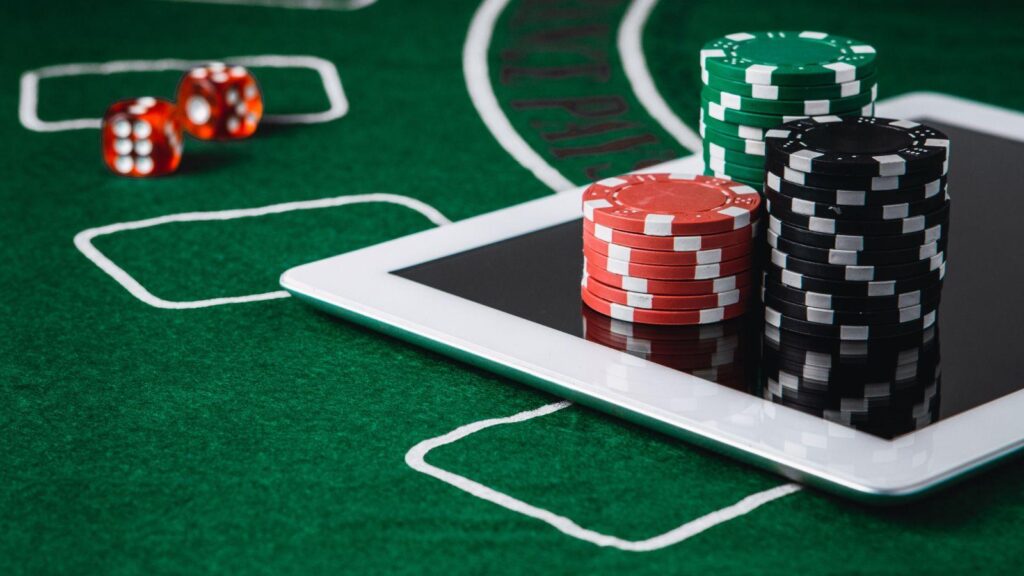
My tablet used to be the thing I grabbed for checking email or watching one more episode before bed. That changed once I started tweaking the settings — now it’s basically a portable casino console, one that keeps up with a desktop rig but still fits in a backpack pocket. I’ll walk you through the exact settings, network tweaks, and platform picks that turned an ordinary Android tablet into a genuine entertainment hub for slots, live dealer tables, and the occasional jackpot chase.
Why Are Tablets Replacing Desktops as the Ultimate Digital Casino Consoles?
Tablets sit in an odd, useful middle ground — they’ve got the screen space of a desktop but travel like a phone. I noticed this the first time I tried reading a paytable on my phone during a live blackjack session and just… couldn’t. A 10-to-12-inch display shows card details, paytables, and live dealer streams far more clearly than a phone screen, and you’re not stuck at a desk the way a full computer traps you.
That “sweet spot” size is exactly why operators like Lucky Wave build interfaces that scale cleanly between tablet and desktop — same game library, same promos, same account tools, no matter which screen I’m on. Bigger batteries help too. I’ve run three-hour live streaming sessions on a tablet without hunting for a charger, something a phone flat-out can’t handle during marathon play.
How Do I Optimize My Tablet for High-Performance Live Dealer Gaming?
Short version: get your network stable, close background apps, and turn on a high refresh rate mode if your tablet has one. Do those three things and most of the lag, freezing, and dropped streams just… disappear.
I think of it like backstage before a live show. The network’s the wiring, the RAM’s the crew running things, and the display settings are the lighting rig. Mess up one of those and the whole performance feels off, even with the other two working fine.
Network Configurations to Prevent Streaming Lag
Live dealer streaming needs steady upload and download speeds — figure 5-10 Mbps minimum for smooth HD video, based on what I’ve tested across a few connections. Switching from public Wi-Fi to a private 5GHz band cuts interference and buffering noticeably.
- Disable auto-connect to public hotspots while playing
- Use a 5GHz Wi-Fi band instead of the more congested 2.4GHz
- Close video-heavy background apps like streaming services before launching a live table
I learned this one the hard way: ran a video call while a live blackjack table was streaming, and the video went choppy with my bets landing a beat late. Fix is simple though — pause background downloads, confirm your connection strength, and only then join the table.
Battery Management and Background Resource Tweaks
Long sessions chew through battery and processing power fast. Turning on “Game Mode” or a performance profile on Android tablets pushes more RAM toward whatever app’s active. On iPad, I just swipe through the multitasking view and close anything unused — frees up memory for smoother slot animations and cleaner live video.
Dropping screen brightness a notch and killing non-essential notifications stretches battery life by roughly 15-20% over a two-hour session, at least by typical device benchmarks. Fewer interruptions, and less chance your tablet starts running hot mid-session — which matters more than you’d think during high-stakes live play.
Which Casino Platforms Deliver the Best Tablet Entertainment Experience?
The best tablet casino platforms blend responsive browser design with native app options, so performance stays consistent whether I’m on Android, an iPad, or bouncing between devices mid-session. MrQ, LeoVegas, VideoSlots, PlayOJO, and Casumo have all clearly put real work into cross-device compatibility — you can feel it in how little friction there is switching screens.
Browser-Based Powerhouses for Seamless Transitions
Browser platforms like MrQ and VideoSlots skip the app download entirely — full functionality, live dealer tables included, right through a responsive mobile browser. Updates roll out instantly this way, and I’ve jumped between tablet and desktop mid-session without losing my place or any promo progress.
The catch: browser play leans harder on your network since there’s no local caching to fall back on. For anyone who values flexibility over offline backup, that’s a small trade for skipping installation entirely.
Immersive Apps Built for Video Slots
Dedicated apps from LeoVegas and bet365 tend to load faster and animate better for video slots, mainly because game assets sit cached locally instead of streaming fresh every time. For slot-heavy sessions where visual quality and instant spin response actually matter, app-based play wins out.
Trade-off: apps eat storage space and need updates now and then, which browser play sidesteps completely.
How Does Biometric Authentication Protect Your Mobile Entertainment Hub?
Biometric login swaps typed passwords for a fingerprint or face scan, cutting the risk of someone else getting into your account during login or a withdrawal. Since that biometric data stays locked inside the device’s secure hardware enclave, it’s a lot harder to intercept than a password you type out.
Pair that with encrypted payment processing and the account verification tools already standard on trusted platforms, and your tablet stops being just another shared, vulnerable device — it becomes something closer to a locked-down personal console. Setting it up takes maybe ten seconds. For anyone running a real-money account, that’s a small effort for a real layer of protection on every session.