
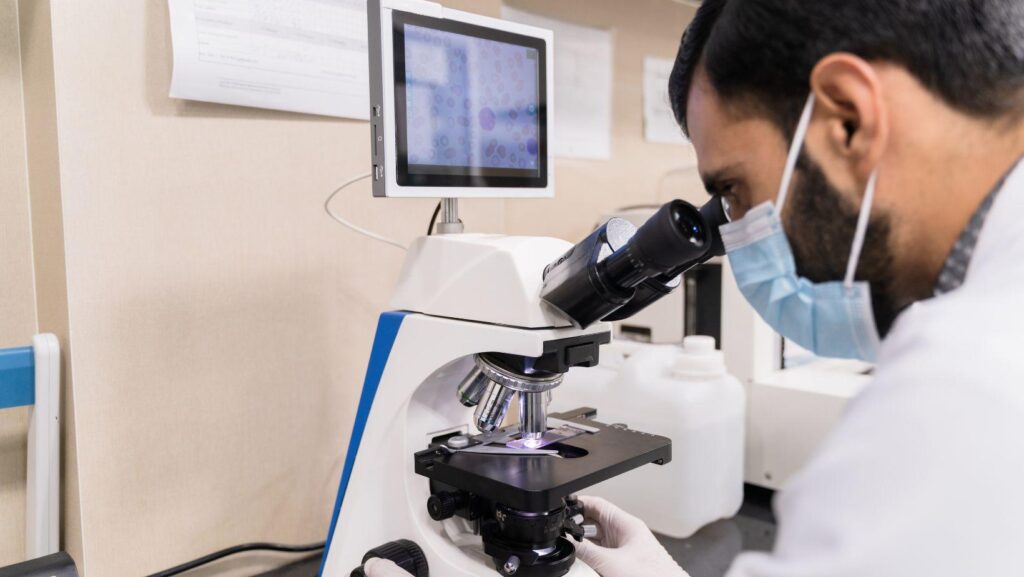
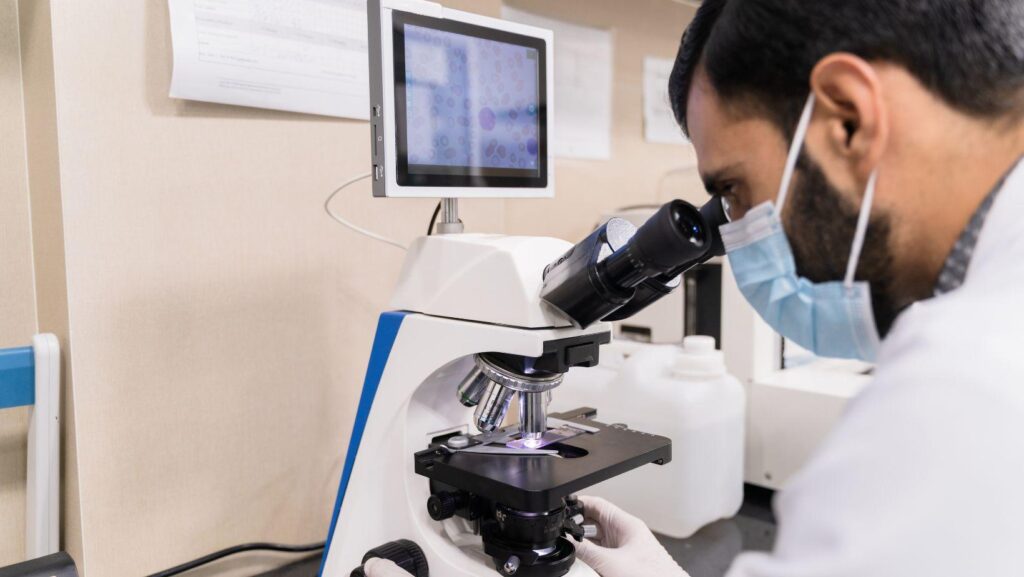
Walk into a pathology lab today and the differences from twenty years ago jump out. The paper requisitions are gone. The handwritten log books have disappeared. Pathologists work in front of multiple monitors instead of microscopes alone. Histotechs scan barcodes instead of writing case numbers on cassettes.
Software has reshaped how pathology labs operate at every level, from the moment a specimen arrives to the moment a final report lands in a clinician’s hands. Here’s where it shows up and what difference it makes.
The Workflow Backbone
The laboratory information system sits at the center of everything. It manages specimens from accessioning through sign-out, tracks every step in between, captures results, and delivers final reports. Every other piece of software in the lab connects to it in some way.
That central role is what makes the LIS so consequential. When it works well, the rest of the lab works well. Specimens move through the workflow without losing identity. Cases land on the right pathologist’s desk. Stains get ordered and tracked without phone calls. Reports go out on time. When the LIS doesn’t work well, every part of the lab feels the friction.
The shift from older platforms to modern cloud-based systems has changed what labs expect from this layer. Real-time dashboards, mobile access, API-driven integration, and continuous updates used to be wishlist items. They’re standard now in the better platforms.
Digital Pathology and Whole Slide Imaging
The move from glass to digital is one of the biggest shifts pathology has seen in decades. Whole slide imaging scanners turn glass slides into high-resolution digital images pathologists can review on screens instead of microscopes. Once cases are digital, they unlock possibilities that pure glass workflows can’t support.
Pathologists can review cases from anywhere, which has made remote sign-out and subspecialty coverage across locations practical. Consultations that used to take days of shipping slides now take minutes of sharing a link. Archived cases stay accessible without anyone digging through slide trays. Digital workflows also lay the groundwork for AI tools that work directly on the images.
AI and Decision Support
Artificial intelligence has moved from concept to working tool in pathology over the past few years. Algorithms now help with tumor grading in prostate and breast cases, mitosis counting in melanomas, Ki-67 quantification, and lymph node metastasis detection. None of it replaces pathologists, but it changes the kind of work they do.
The pattern that’s emerging is AI as a second reader and a workload optimizer rather than a primary diagnostic tool. An algorithm might prescreen prostate biopsies, flagging the ones that look suspicious for the pathologist to focus on first. Another might count mitoses across a tumor and present the result for the pathologist to verify.
The labs getting value out of these tools are the ones embedding them into the workflow rather than treating them as separate systems. An AI tool that requires the pathologist to log into a different platform doesn’t get used. One that surfaces results inside the case view at sign-out becomes part of how the pathologist works.
Specimen Tracking and Barcoding
Specimen identification errors used to be one of the worst problems a pathology lab could have. Two cases get swapped, a slide gets mislabeled, a tissue block gets associated with the wrong patient. The consequences range from minor to catastrophic.
Software-driven specimen tracking has put a real dent in those errors. Every container, cassette, and slide gets a barcode tied to the original accession number. Every workstation scans before doing anything. The system tracks where every piece of every case is at every moment. A histotech who scans a block before embedding can’t accidentally embed the wrong tissue. A pathologist who scans a slide before signing out can’t sign out the wrong case.
Integration With the Broader Healthcare System
Modern pathology labs don’t operate in isolation. The LIS connects to the EHR so orders flow in and results flow out. It connects to billing systems, digital scanners, reference labs, molecular platforms, registries, and tumor board systems.
These integrations are where a lot of the practical value lives. A pathologist signing out a difficult case can pull up prior biopsies, current imaging, and clinical notes without leaving the LIS. A surgeon getting ready for a follow-up procedure can see the final report in the patient’s chart within hours of sign-out.
The integration layer is also where labs feel the difference between modern and legacy software most acutely. Newer platforms come with APIs and prebuilt connections that make integration straightforward. Older systems often require custom interfaces that have to be built, tested, and maintained one connection at a time.
Analytics and Operational Visibility
Lab directors used to run their labs on intuition and end-of-month reports. Modern software gives them real-time visibility into how the lab is performing. Dashboards show case volumes by specimen type, turnaround times by subspecialty, workload distribution across staff, and pending case lists. A backlog forming on Monday morning shows up Monday morning, not in next month’s report.
This shift has changed how labs get managed. Staffing decisions are based on actual data. Process improvement projects start from clear problem definition. Capital investments get justified with numbers instead of impressions.
What Software Has Made Possible
The biggest impact of software in modern pathology isn’t any single feature. It’s the kind of lab that becomes possible when the technology works well.
Remote sign-out and subspecialty coverage across multiple sites. Same-day turnaround on biopsies that used to take a week. Synoptic reporting that feeds registries and decision support automatically. AI-assisted review on cases where the algorithm catches things the eye misses. Tumor boards that pull pathology, imaging, and clinical data together in one view. Recruiting pathologists who don’t have to live near the lab because the work can happen anywhere.
None of that was possible twenty years ago. Most of it depends on software that didn’t exist or wasn’t mature enough to rely on.
Where This Goes Next
The software shaping pathology isn’t done changing. AI tools will keep getting more capable. Integration standards will keep getting better. Cloud platforms will keep maturing. New modalities like spatial biology and multiomic analysis will pull pathology deeper into the data layer of healthcare.
The labs that benefit most from what’s coming will be the ones that have already built a solid software foundation. Labs with that foundation can adopt the next wave of technology as it arrives. Labs still patching together legacy systems will spend their energy keeping things running instead of moving forward. The gap between the two will keep getting wider every year.