
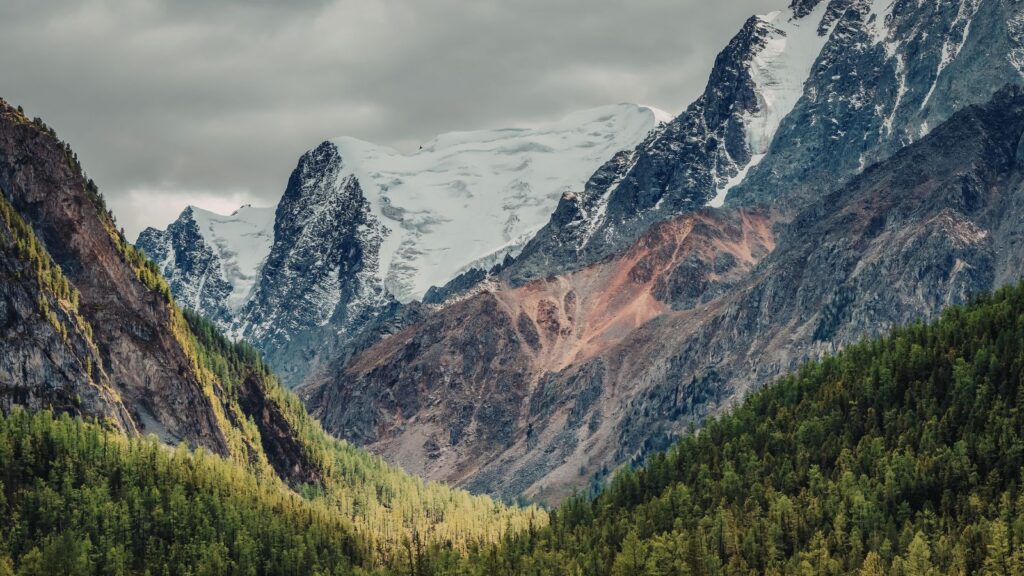
Earth’s great mountain ranges have drawn explorers, adventurers, and climbers for centuries. From the roof of the world in Asia to the jagged spires of South America, each range offers a distinct character, set of challenges, and cultural context. Whether you’re planning your first expedition or your fifteenth, these mountain expedition guides can help you understand what makes each range unique and how to approach them wisely.
The Himalayas: The Roof of the World
The Himalayan range stretches across Nepal, Tibet, India, Bhutan, and Pakistan, containing nine of the ten highest peaks on Earth. Mount Everest (8,849m), K2 (8,611m), and Kangchenjunga (8,586m) define the upper limits of human endurance at altitude.
Himalayan expeditions demand months of preparation, acclimatization schedules, and significant financial investment. Even trekking peaks like Island Peak (6,189m) or Mera Peak (6,476m) require high-altitude experience and proper permitting. The best seasons for most Himalayan climbing are pre-monsoon (March–May) and post-monsoon (September–November). Expect extreme cold, altitude sickness risk, and rapidly changing weather as constant companions.
The Andes: South America’s Spine
Running the length of South America, the Andes contain the highest peaks outside of Asia. Aconcagua in Argentina (6,961m) is the highest mountain in both the Western and Southern Hemispheres and a popular objective for climbers building high-altitude experience before attempting the Himalayas.
The Andes offer tremendous variety — from the dry, cold conditions of the southern Patagonian ranges to the tropical glaciated volcanoes of Ecuador. Patagonia’s Torres del Paine and the Fitz Roy massif are world-renowned for technical rock and ice climbing, with notoriously unpredictable weather that rewards patience and flexibility. Best climbing seasons vary by latitude: Aconcagua is best January–February, while Patagonia offers its most stable weather November–March.
The Alps: Europe’s Classic Range
The Alps span eight countries and represent the birthplace of modern mountaineering. Routes like the Matterhorn (4,478m), Mont Blanc (4,808m), and the Eiger’s North Face have defined climbing history and continue to attract climbers of all levels.
The Alps are accessible by European infrastructure standards — mountain huts (refuges) are well-maintained, guides are plentiful, and rescue services are reliable. This accessibility makes the Alps ideal for climbers stepping into alpine terrain for the first time. Summer (June–August) offers the best conditions for most routes, though high season also means crowded popular lines. Mixed and ice routes come into prime condition in winter and early spring.
The Rocky Mountains: North America’s Backbone
The Rockies extend from northern British Columbia through the United States into New Mexico, offering an enormous diversity of climbing environments. Colorado’s fourteeners — peaks exceeding 14,000 feet — are popular training grounds for high-altitude ambitions, while areas like Yosemite, Red Rocks in Nevada, and the Black Canyon of the Gunnison deliver world-class technical climbing.
The Rockies are the most accessible range for North American climbers, with well-documented routes, established hut systems in some areas, and a mature guiding industry. Summer and early fall are prime seasons, though afternoon thunderstorms are a daily concern in many areas. Altitude sickness can still affect climbers at Rocky Mountain elevations, particularly those arriving from sea level.
Planning Your Range-Specific Expedition
Each range demands tailored preparation. Research permit requirements well in advance — Himalayan peaks require government permits that can take months to secure. Acclimatization protocols differ significantly between ranges based on elevation profiles. Hiring local guides not only improves safety but directly supports mountain communities.
The American Alpine Club at americanalpineclub.org provides expedition reports, gear recommendations, and safety resources specific to major ranges worldwide. Use these firsthand accounts alongside current conditions reports before finalizing any expedition plan.
Choosing Your Next Objective
The world’s mountain ranges each offer something irreplaceable. The Himalayas test the absolute limits of human endurance. The Andes offer technical challenge in remote grandeur. The Alps provide accessible alpine tradition. The Rockies deliver variety and accessibility for developing climbers. Whatever draws you to the mountains, the ranges of the world offer a lifetime of exploration for those willing to prepare thoroughly and move with respect for the terrain.