
The CRAFT 2026 Flash Prose Prize opened for submissions on July 13 and closes September 13. Five hundred words. One story. A real editorial team reading it cold. If you’ve stared at a blank document with that deadline ticking in the background, you already know the feeling: submit what you have, or hold out for something better? Cut the risky ending, or trust it?
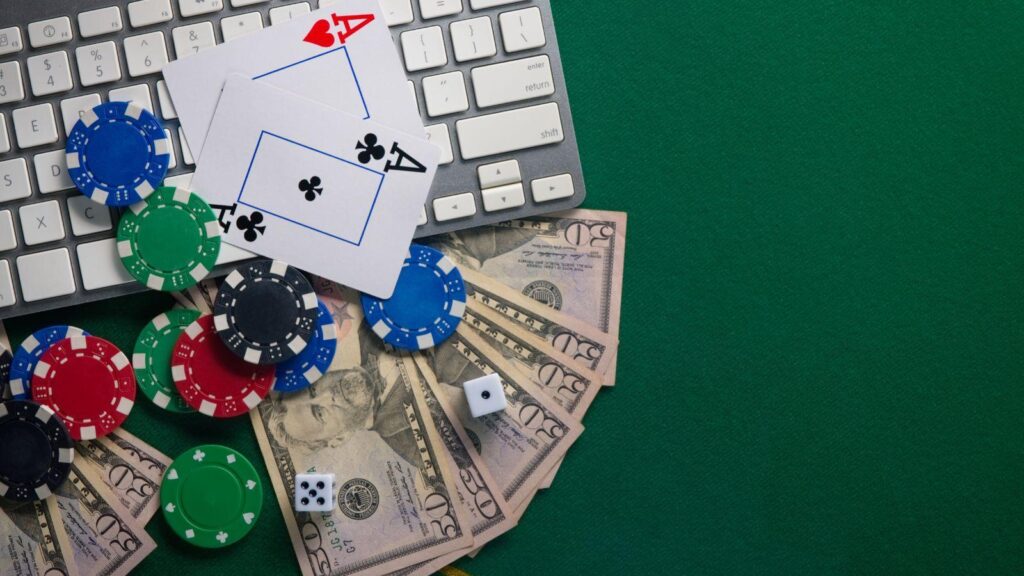
That’s not just a craft question. It’s a risk decision. The same kind serious players make in real time at live casino tables.
Most writers don’t frame it that way. They think of risk as something that belongs to finance, or poker films, or startup culture. But the mechanics are identical. You’re working with incomplete information, a fixed time window, and a choice that can’t be undone once it’s committed. And how you handle that structure. Whether at a blackjack table or in a submission queue. Says a lot about how your work will land.
For anyone who wants to understand how that pressure maps onto an actual game environment, this blog article breaks down how live casino formats work in practice: the real dealers, the table dynamics, the decisions that play out in seconds rather than on a slow editorial calendar.
The Risk-Creativity Link Is Documented, Not Just a Metaphor
Researchers at PLOS ONE ran a study on exactly this. They found that risk-taking positively affects divergent thinking. The cognitive mode writers rely on when they push a story into unexpected territory rather than defaulting to the safe, expected shape. It’s not that risk makes you more creative by accident. It’s that the willingness to absorb a potential loss unlocks mental moves you won’t make when you’re playing it safe.
Live casino tables produce exactly that environment, under time pressure, with money on the line. That’s not a coincidence worth ignoring.
Annie Duke made the same argument in a different register. Her framework, outlined in a Wharton Magazine piece on poker and decision-making, is that the quality of a decision and the quality of an outcome are two different things. And confusing them is the core mistake both writers and players make. A strong short story can get rejected on the wrong day. A weak hand played correctly can still win. What you can control is the process, not the result.
Most writers who’ve submitted to competitive magazines know this intellectually. But sitting with it emotionally, when a story comes back with a form rejection, is a different skill entirely.
What the Table Teaches That the Page Doesn’t
Here’s what live play does that solo writing sessions can’t replicate: it removes the option to deliberate indefinitely.
At a live blackjack table, you get roughly 30 seconds to act. The dealer is real. Other players are watching. There’s no “I’ll come back to this tomorrow” safety valve. You’ve looked at your cards, you’ve clocked the dealer’s upcard, and you commit. Split, stand, or hit. The decision is made and it’s live.
Writers, by contrast, can revise forever. That’s a gift, and it’s also a trap. The CRAFT submission window is 13 weeks, which sounds generous until the last two of those weeks arrive and nothing you’ve written feels ready. At that point, most writers do one of three things: they submit the piece that’s technically finished but emotionally safe, they miss the deadline entirely, or they send the risky version. The one with the uncomfortable ending, the strange structural choice, the narrator who doesn’t earn sympathy in the way you’ve been taught they’re supposed to.
The third option is almost always the right one. Not because risk guarantees reward. It doesn’t. But because safe submissions don’t win flash prose prizes. The CRAFT team has published Kathy Fish, Tara Isabel Zambrano, and Tommy Dean. None of them became known for conventional structures.
Calculated, Not Reckless
The mistake is thinking that “taking risks” means submitting whatever comes out first, or playing hands without any strategy.
Neither works. Real risk-taking at a live table isn’t impulsive. It’s calibrated. A player who’s tracked the shoe at a baccarat table for 40 minutes before placing a significant bet isn’t gambling recklessly. They’re making an informed call based on pattern recognition, probability, and a clear sense of what they can afford to lose if they’re wrong. That’s not the same thing as guessing.
The same applies to a flash piece. A writer who sends the risky ending isn’t being self-indulgent. They’ve read enough in the form to know what the genre rewards. They’ve revised the story enough times to know the safe version is dead on arrival. The risk is educated.
This is a distinction that gets lost in how we talk about creative courage. It sounds like mystical advice. “be brave, take risks”. When the actual instruction is more specific: do the preparation that makes a risky choice an informed one, then stop hedging.
The Information Problem Both Worlds Share
At a live roulette table, you never have complete information. The ball is already spinning by the time you place your chip. You’re betting on a distribution, not a certainty.
A flash story submission works the same way. You don’t know who’s reading it on the day your PDF lands in the queue. You don’t know what they read right before yours, whether they’re in a generous mood, or whether the theme you picked is the fifteenth variation of something they’ve seen that month. You’re betting on a distribution.
What live players learn, sometimes slowly and sometimes painfully, is to separate the quality of the decision from the randomness of the outcome. A losing session doesn’t mean the strategy was wrong. A rejection email from CRAFT doesn’t mean the story was bad. If you’ve done the preparation, made the informed call, and lost anyway. That’s not a failure of judgment. That’s variance.
Writers who understand this don’t spiral after rejections. They log it, reassess, and submit somewhere else. Players who understand it reload their bankroll methodically rather than chasing losses with increasingly aggressive bets. The psychological infrastructure is the same.
TabletWritings has covered the benefits of building a writing practice with real accountability structures. Which is another way of saying: build systems that make your decisions better, rather than hoping inspiration covers for poor process.
The One Thing Live Tables Do Better Than Writing Groups
Feedback is immediate. You don’t wait three months to find out whether your decision worked.
That compression changes how you learn. A player who sits through 200 hands in a weekend has processed 200 decision points. Each one with a clear, fast result. A writer who submits to 20 journals over the same period is still waiting on 19 of them.
This doesn’t mean live play is a superior learning environment overall. Writing is richer, slower, more interior. But for training the specific skill of committing to a decision under pressure and accepting the outcome without catastrophizing, the table is more efficient than almost anything else a writer can do.
The CRAFT deadline is coming. You’ll have a story that’s almost ready, and a window to send it. The preparation matters. The revision matters. And at some point, you commit.
That part isn’t about writing anymore. It’s about risk management. And the table has been teaching it longer than any MFA program.
Frequently Asked Questions
Does studying risk strategy actually improve creative writing decisions?
The research suggests yes. A PLOS ONE study found risk-taking enhances divergent thinking. The same cognitive mode that drives unconventional story choices. It’s not that risk makes you write better; it’s that comfort with uncertainty removes the self-censorship that kills interesting work before it leaves the draft stage.
What does the CRAFT 2026 Flash Prose Prize look for?
CRAFT publishes flash prose that takes structural or tonal risks most journals wouldn’t greenlight. Submissions are open July 13 to September 13, 2026, with a 500-word ceiling. Past winners include Tara Isabel Zambrano and Tommy Dean. Writers known for form that doesn’t play it safe.
How does live casino strategy differ from just gambling?
The difference is process. Calculated live play involves pattern recognition, bankroll discipline, and separating decision quality from outcome randomness. The same framework Annie Duke describes in her poker-based decision-making work. Impulsive play ignores that process entirely. The strategy is what makes the comparison to writing craft meaningful.
Can a writer with no gambling experience take anything useful from this comparison?
Yes, and the point isn’t to encourage gambling. The comparison works because both domains force the same cognitive challenge: commit to a consequential choice with incomplete information, under time pressure, with no guaranteed result. Studying how skilled players handle that structure offers writers a concrete, fast-feedback model for something their own craft usually develops very slowly.
Is submitting a risky piece to a flash contest actually a good strategy?
For competitive prizes with strong editorial taste. Yes. Safe, technically competent work rarely wins because it doesn’t stand out in a read pile. The downside of submitting a risky piece and losing is a rejection, which has no lasting cost. The downside of submitting the safe version is a rejection anyway, plus a missed opportunity to learn whether the risky idea actually worked.
The creative decisions you make under deadline pressure and the strategic calls a live player makes in real time share more architecture than they appear to. Both reward preparation, both punish over-caution disguised as prudence, and both require you to eventually stop revising and commit. If the CRAFT window has you stuck, it might be worth thinking about what a skilled player does differently. Not because they know more, but because they’ve trained themselves to decide without certainty.
Gambling involves risk. Please play responsibly and only wager what you can afford to lose. If you feel gambling is becoming a problem, visit BeGambleAware.org or call 1-800-GAMBLER.